
A well designed pond is an amazing source of enjoyment in your landscape. If your water feature has become a source of frustration in your life it may be time for a renovation or upgrade that will restore your pond to the fun that it should be. Over time, changing conditions, aging equipment, and outdated design standards can begin to take a toll. If your pond requires constant attention, struggles with water clarity, or no longer fits your lifestyle, it may be time to consider a pond upgrade.
Modern pond technology and design practices have come a long way. Many older ponds were built with minimal filtration, shallow depths, or inferior materials that do not support long term ecosystem health. Recognizing the signs of a declining pond allows you to address problems proactively and turn your pond into a more reliable, low maintenance, and beautiful feature of your landscape.
Below are some of the most common filtration, depth, and aesthetic red flags that indicate your pond may be ready for an upgrade.
Filtration Red Flags: When Your System Can’t Keep Up
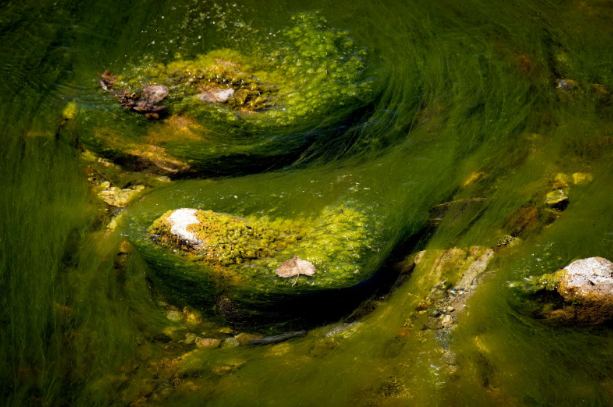
One of the clearest signs your pond needs attention is ongoing water quality issues. While occasional algae blooms are normal, especially in spring, persistent green water, murky conditions, or excessive string algae often point to inadequate or outdated filtration.
Many older ponds were built using small pumps and basic mechanical filters that were not designed to support growing fish populations or the natural accumulation of organic debris. As ponds mature, fish produce more waste, plants shed material, and nearby trees contribute leaves and runoff. Without modern filtration, the system becomes overwhelmed.
Signs your filtration system needs an upgrade:
- Frequent filter cleanings
- Reduced water flow from waterfalls or streams
- Poor water clarity
- Strong odors from decaying debris
- Fish gasping near the surface due to low oxygen
Older designs often relied on pumps placed directly on the pond floor without prefiltration. This setup allows debris to clog the pump, reducing efficiency and increasing the risk of burnout. Modern systems instead use a skimmer that pulls debris from the surface before it sinks and decomposes. This protects the pump and significantly reduces maintenance.
In addition, today’s ponds use biological filtration such as BioFalls or wetland-style filters. These systems cultivate beneficial bacteria that naturally break down excess nutrients, improving water clarity and supporting a balanced ecosystem.
Upgrading your filtration doesn’t just improve water quality — it often reduces energy use and maintenance time while creating a healthier environment for fish and plants.
Depth & Structural Red Flags: When Design Limits Performance
Depth plays a major role in pond stability, especially in climates with seasonal temperature swings. Many older ponds were built shallow with wide, sloping sides. While this may have looked attractive initially, it often leads to long-term problems.
Why shallow ponds struggle:
- Water temperatures fluctuate rapidly
- Fish have limited protection from predators
- Reduced oxygen stability
- Increased algae growth from warmer water
Shallow shelves and sloped edges also allow rocks to shift over time, causing them to slide into the basin. This not only reduces water depth but can lead to structural instability and poor circulation.
Another structural issue common in aging ponds is exposed liner. Early installations sometimes left liner edges visible or unprotected. Over time, ultraviolet rays from the sun degrade exposed liner, causing it to crack and fail prematurely. A properly protected liner can last decades, but sun exposure can reduce its lifespan to as little as 5–10 years.
You may also notice:
- Loose or shifting stones
- Eroding pond edges
- Waterfalls that leak or splash outside the liner
- Unstable rockwork around streams
These are not just cosmetic problems — they can create safety concerns and contribute to water loss. A pond upgrade allows professionals to reset stonework, correct slopes, deepen areas where needed, and rebuild waterfalls for proper flow and durability.
Aesthetic Red Flags: When Your Pond Looks Outdated
Sometimes the biggest sign your pond needs an upgrade is simply how it looks. Landscape styles evolve, plantings mature, and your personal preferences may change over time. A pond that once felt like the highlight of your yard can begin to feel dated or disconnected from the surrounding landscape.
Common aesthetic warning signs include:
- Exposed liner edges
- Waterfalls that lack movement or sound
- Sparse or overgrown plantings
- Harsh rock transitions that don’t look natural
- Lack of lighting for evening enjoyment
Modern pond design focuses heavily on natural integration. Water should appear as though it originates organically from the landscape, not from a visible pipe or artificial edge. Updated stone placement, improved waterfall design, and strategic plantings can make your pond seamlessly blend into the landscape. .
Upgrades like underwater lighting, reworked streams, and improved rock transitions can transform a tired pond into a stunning focal point. Often, homeowners are surprised at how much more natural and vibrant their water feature looks after aesthetic improvements are made.
Benefits of Modern Pond Systems
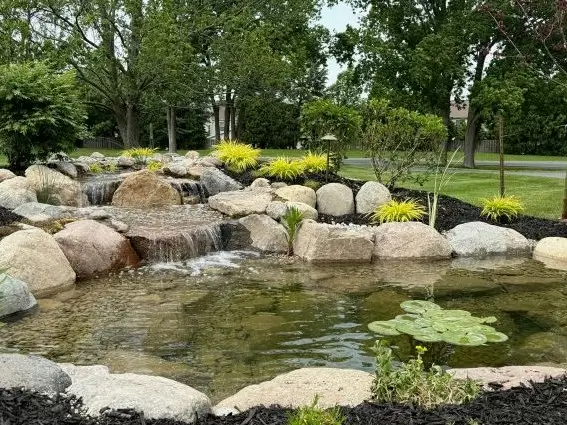
Upgrading your pond goes far beyond appearance. Today’s ponds are designed to function as complete ecosystems, using natural biological processes to maintain balance.
Benefits of upgrading include:
- Clearer water with fewer chemical treatments
- Healthier fish and plants
- Reduced maintenance time
- Lower energy usage from efficient pumps
- Improved safety and structural stability
- A more natural, visually appealing design
Most importantly, an upgraded pond becomes something you can enjoy again — not something you constantly worry about.
Upgrade vs. Full Rebuild: What’s Right for You?
Not every pond needs a complete rebuild. If your liner is still in good condition and the basic structure is sound, targeted upgrades may be all that’s required. Improvements such as adding a skimmer, upgrading biological filtration, reshaping shelves, or redesigning waterfalls can significantly improve performance without starting over.
However, if your pond has major liner damage, chronic leaks, or fundamental design flaws like insufficient depth, a full rebuild may provide better long-term value.
A professional evaluation can determine the most cost-effective path forward while ensuring your upgraded pond functions as a healthy ecosystem.
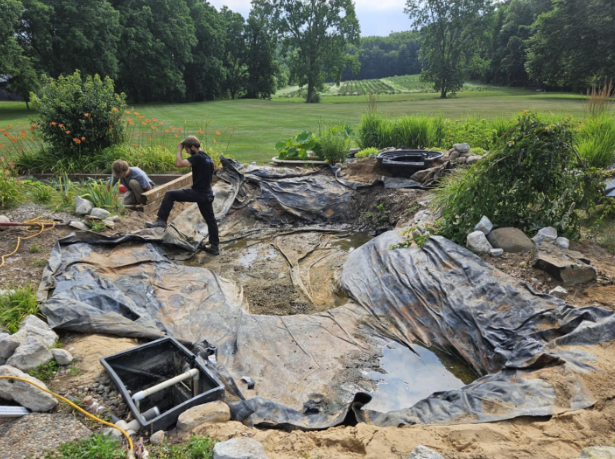
This existing pond was quite old and needed a refresh. There were multiple leaks, bare liner, and equipment that was failing on the homeowner constantly
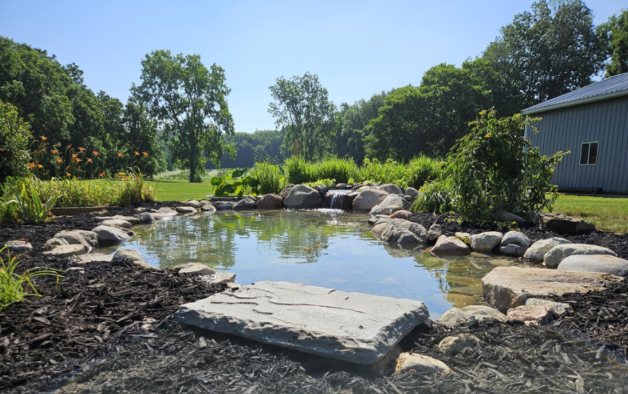
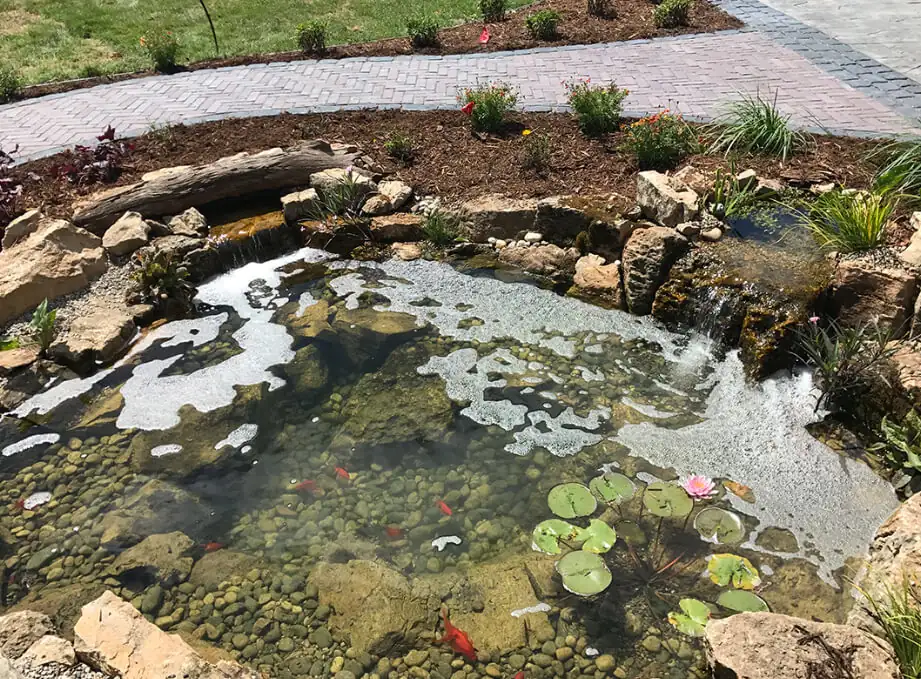
After: With a new liner the pond in now leak free, features beautiful rockwork and will be a fantastic addition to this backyard for many years to come.
Is Your Pond Ready for A Renovation?
A pond should enhance your outdoor space, not create ongoing work or concern. If your pond struggles with water quality, fish health, outdated equipment, constant leaking, or visual appeal, it may be time to explore pond improvement ideas. A thoughtful pond renovation can:
- Reduce maintenance
- Improve fish and plant health
- Increase property value
- Transform your water feature back into the relaxing focal point it was meant to be
Working with a knowledgeable professional ensures that your upgrades are tailored to your pond’s unique needs, delivering long lasting results that you can enjoy for years to come.
Contact us today to see if your pond could benefit from an upgrade or renovation!
About The Author

Jim Andrie is the Operations Manager at Platinum Ponds & Landscaping and has spent the past 10 years designing and building high-quality outdoor spaces across West Michigan. As a Certified Aquascape Contractor and a 2024 Water Artisan of the Year, Jim specializes in ecosystem ponds, natural water features, and custom hardscaping that blends beauty with long-term functionality.
Born and raised in West Michigan, Jim understands the unique challenges of the local climate and designs landscapes built to thrive through every season. An Eagle Scout with a lifelong connection to the outdoors, he is passionate about creating spaces that help families enjoy nature right in their own backyard.