
If you live in Michigan, you’re no stranger to unpredictable weather. Warm days followed by sudden cold snaps are common, especially in winter and early spring. While this back and forth weather may feel inconvenient to you, it can be downright destructive to outdoor spaces. Understanding how the freeze-thaw cycle affects patios, ponds, and retaining walls in Michigan is key to protecting your investment.
Freeze-thaw damage often happens slowly and out-of-sight. Small shifting happening each season can go unnoticed for years, leading to major repairs years later if the underlying issues aren’t addressed. By knowing what’s happening beneath the surface, homeowners are able to make smarter design, maintenance, and landscape upgrade decisions.
The Freeze-Thaw Cycle Explained
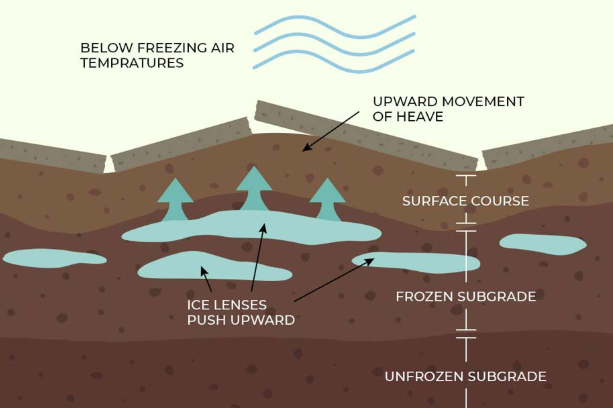
The freeze-thaw cycle occurs when moisture enters soil, stone, or joints. When this moisture freezes it expands and then contracts as it thaws. Water can expand by up to ten times when it freezes, which puts an incredible amount of pressure on surrounding materials. When this cycle repeats dozens of times each year, the stress really adds up.
In landscapes this pressure causes soil to heave, stones to shift, concrete to crack, and patios to become unlevel. Areas with poor drainage are especially vulnerable, as standing water increases the intensity of freeze-thaw stress.
The good news is that with proper design and construction practices including strong base material, the use of nonwoven geotextile, and proper drainage, damage from the freeze-thaw cycle can be mitigated.
How Are Ponds Affected?
Ponds are often thought of as flexible landscape features, but they’re not immune to winter damage. The freeze-thaw cycle can affect the pond liner, stone stability and even plumbing components. As surrounding soil freezes and expands, it may pull liner edges down, push rocks out of place or even burst pipes and fittings.
Repeated movement may lead to exposed liner and subtle leaks that only become noticeable months later. Winter damage in ponds often goes unnoticed until it becomes a serious issue, when you notice significant water loss after spring startup.
Proper pond design, including adequate depth, stable stone placement, and flexible plumbing, help minimize these risks. Winter preparation such as draining plumbing lines and using a pond heater also play a large role in reducing long term stress.
How The Freeze-Thaw Cycle Affects Hardscapes
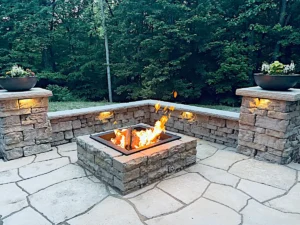
Patios, walkways, and retaining walls are particularly vulnerable to Michigan’s climate. As moisture freezes below hardscapes, it pushes materials upwards. When thawing occurs, those materials don’t always settle back into place evenly.
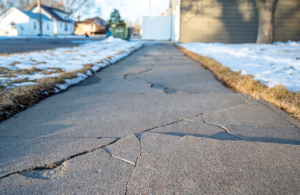
Over time this rising and falling can lead to uneven pavers, cracks in patios, and leaning retaining walls. Hardscape damage in Michigan is rarely caused by one bad winter, it’s the effect of multiple freeze-thaw cycles acting on improperly prepared base material.
Retaining walls are especially vulnerable as they face additional pressure from frozen soil behind them as well as underneath. Without proper drainage and reinforcement, this pressure can cause walls to bow, shift, or fail entirely.
Proper Drainage Can Prevent Damage
Drainage is one of the most important — and most often overlooked — factors in preventing damage from freeze-thaw cycles. The less water that remains in the soil beneath and behind structures, the less expansion occurs when temperatures drop and the ground freezes.
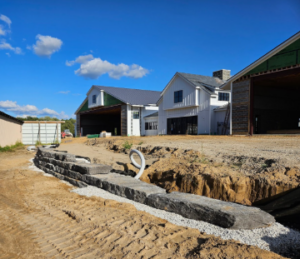
Effective drainage solutions include proper grading, compacted aggregate bases, drain tile and stone behind retaining walls, and French drains that collect and direct water away from landscape features. Around ponds, managing runoff and preventing water from pooling near the edges can significantly reduce soil movement and shifting stones.
While good drainage can’t completely eliminate freeze-thaw damage, it greatly minimizes the impact and helps extend the life of outdoor features, especially in climates like Michigan’s.
Design Choices That Mitigate Freeze-Thaw Damage
Smart design plays a major role in how landscapes hold up over time. In Michigan, this means choosing materials and construction methods suited for extreme temperature changes.
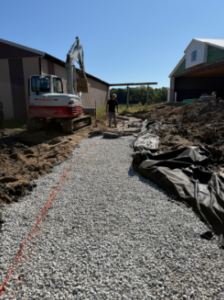
Flexible liners, proper base construction and properly set stonework work together to prevent shifting and even allow for some movement without failure. Adequate base depth, proper fabric usage, edge restraints, and wall reinforcement all help provide stability even as soil shifts.
Why Professional Installation Matters In Michigan
Michigan’s climate demands experience. As professional Belgard Certified installers we understand local soil conditions, conditions for depth due to frost, and proper construction techniques for long term durability.
Mistakes often seen in DIY projects, such as shallow base, poor compaction, or inadequate drainage, may not show immediate consequences. However, these issues often surface after a few seasons of freeze-thaw cycles.
Working with professionals ensures patios, ponds, retaining walls, and other hardscape features are built to withstand Michigan’s unique challenges. Proper installation protects your investment, reduces repair costs, and provides peace of mind year after year.
Plan Ahead for Michigan’s Climate
Freeze-thaw cycles are unavoidable in Michigan, but damage doesn’t have to be. Understanding how moisture, soil movement, and design choices interact allows homeowners to make informed decisions about their outdoor spaces.
With proper design, drainage, and professional installation your outdoor features can stand up to Michigan’s toughest season and continue to look and function beautifully for years to come.
Michigan’s climate demands thoughtful design and proper installation. Whether you’re addressing existing damage or planning a new landscape project, working with experienced professionals can make all the difference. Contact us to discuss solutions built to withstand Michigan’s freeze-thaw conditions.
Related Articles:
- Landscape Design in Grand Rapids, MI
- Transform Your Yard with Hardscaping: Patios, Walkways, and More
- What Landscape Design Style Is Right for Me?
About The Author

Jim Andrie is the Operations Manager at Platinum Ponds & Landscaping and has spent the past 10 years designing and building high-quality outdoor spaces across West Michigan. As a Certified Aquascape Contractor and a 2024 Water Artisan of the Year, Jim specializes in ecosystem ponds, natural water features, and custom hardscaping that blends beauty with long-term functionality.
Born and raised in West Michigan, Jim understands the unique challenges of the local climate and designs landscapes built to thrive through every season. An Eagle Scout with a lifelong connection to the outdoors, he is passionate about creating spaces that help families enjoy nature right in their own backyard.