
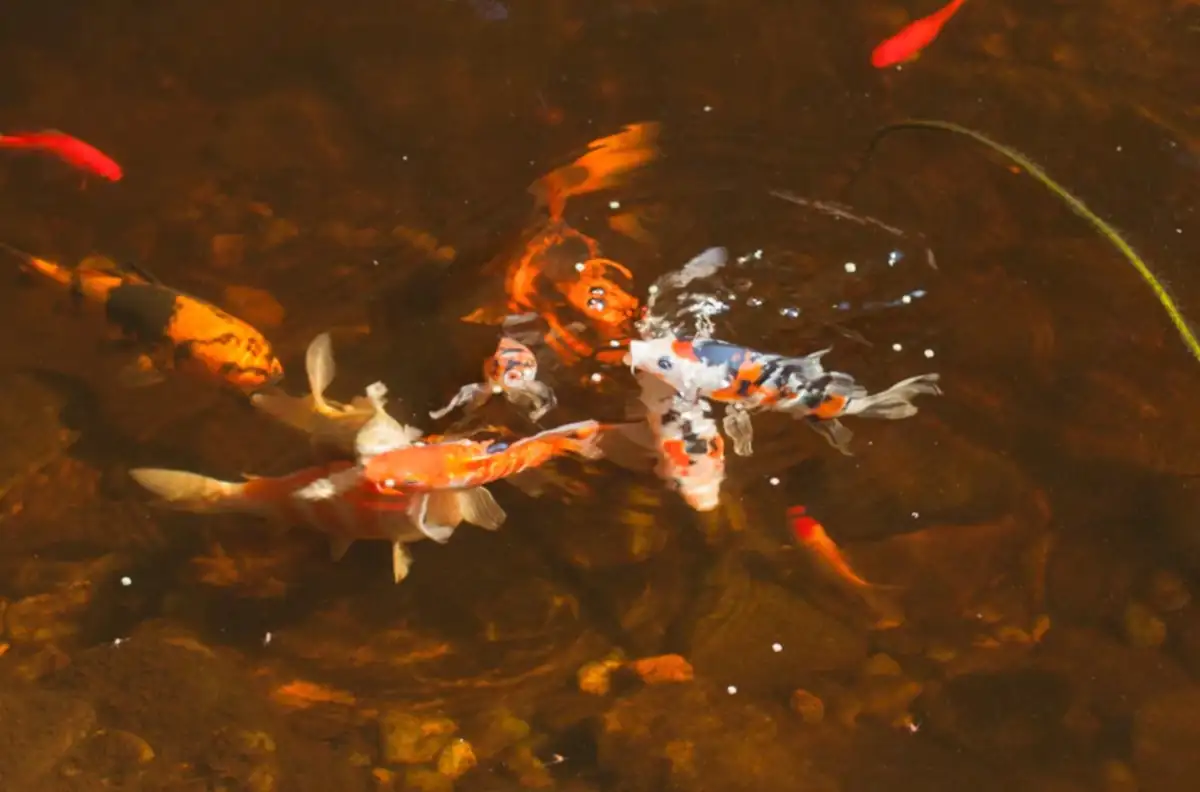
Fall leaves not only mess up your yard, but they can also lead to brown pond water. As the fall season progresses, you may notice your once-clear pond taking on a murky brown tint. While it may look alarming, this is actually a very common seasonal issue. The first step to fixing this unsightly problem is understanding what is happening beneath the surface.
What Turns Pond Water Brown
There are two primary forms of brown pond water: debris tea and excessive sediments.
Debris tea is a common occurrence during autumn when trees and shrubs shed their leaves. Leaves, bark, and other organic materials contain tannins — natural compounds that are released as plant matter begins to break down in water. These tannins stain the water a tea-like brown color, similar to steeping a tea bag in hot water. While debris tea usually isn’t harmful to fish, it can reduce visibility and take away from the beauty of your pond.
Brown water caused by excess sediments is a different issue. This happens when leaves and organic debris sink to the bottom of the pond and begin decomposing. Over time, this creates a thick layer of sludge. When fish swim through it, waterfalls circulate water, or pumps disturb the bottom, that sludge gets stirred up into the water column, creating a cloudy brown appearance.
Brown Pond Diagnosis
Both debris tea and sediment issues can be corrected — but proper diagnosis is key.
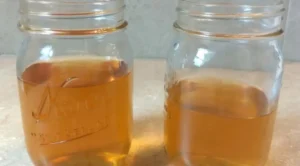
To determine which issue you’re dealing with, fill a clear glass jar with brown pond water and allow it to sit undisturbed for 24 hours. If material settles at the bottom and the water above becomes clearer, sediment is your problem. If the water remains evenly tea-colored with little to no settling, tannins from organic debris are the cause.
Since both issues stem from excess organic matter, removal is the first line of defense. Skim out floating leaves, net out visible debris, and remove built-up sludge from the bottom of the pond whenever possible.
For sediment buildup, sludge can be removed manually with a pond vacuum or net. You may also apply sludge-reducing treatments such as beneficial bacteria products designed to accelerate the breakdown of organic waste. These treatments help digest the sludge layer over time and reduce future buildup.
If debris tea is the issue, products like activated carbon or water clarifiers formulated to remove discoloration can help restore clarity quickly. Always follow manufacturer instructions carefully and avoid over-treating the pond.
Prevent Brown Pond Water
While treatment is important, prevention is even more effective.
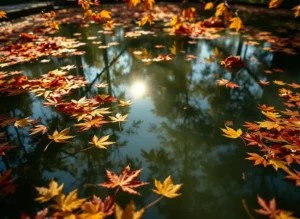
Installing a properly functioning mechanical skimmer is one of the most important tools for fall pond maintenance. A skimmer continuously pulls floating debris off the surface before it has a chance to sink. During heavy leaf drop, check and empty your skimmer basket frequently — sometimes daily — to ensure it continues operating efficiently.
You should also inspect areas around rocks, lily pads, and floating plants. Leaves often collect in these quiet pockets where water movement is minimal and lead to brown pond water. Removing debris from these areas prevents it from becoming future sludge.
For ponds located near large deciduous trees, installing a pond net during peak leaf fall can dramatically reduce the amount of organic matter entering the water. While some pond owners hesitate because of aesthetics, a temporary net can save significant cleanup time and prevent water quality issues later.
Another important factor is maintaining healthy biological filtration. A well-balanced ecosystem pond contains beneficial bacteria that help break down organic waste before it accumulates excessively. Supporting this biological balance throughout the season reduces the likelihood of heavy sludge formation.
Fall Shutdown Importance
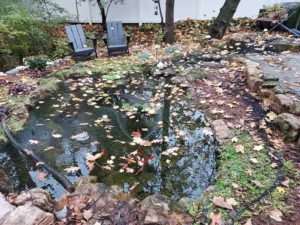
Finally, don’t overlook proper fall pond shutdown procedures. Trimming back aquatic plants, removing dead foliage, and performing a light cleanout before winter can significantly reduce spring water quality problems. What happens in fall directly impacts how your pond looks and functions next year.
Brown pond water in autumn is common — but it doesn’t have to be permanent. By understanding whether you’re dealing with tannin staining or sediment disturbance, and by taking proactive maintenance steps, you can protect both the clarity and long-term health of your pond.
If your pond continues to struggle with brown water, excessive sludge, or seasonal maintenance challenges, Platinum Ponds & Landscaping can help. Our team can evaluate your filtration system, recommend preventative solutions, and perform professional cleanouts to keep your pond clear and healthy year-round. Contact us today to find out how we can help you go from a brown pond to a beautiful one!

Our founder, Ryan Farnol, is a Master Certified Aquascape Contractor® (CAC). Born and raised in West Michigan, Ryan attended Cornerstone University where he earned a degree in Business Administration.
In 2006, Ryan began his landscaping career in the High Rockies of Colorado, honing his skills with natural stone and water features. He is an expert landscape designer and builder, and meticulously oversees each project from design to installation.
Hard work, communication, and innovation are the hallmarks of his business.