
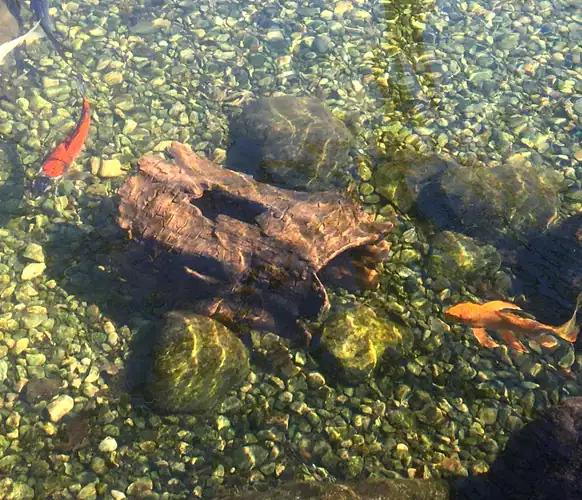
A backyard pond is a peaceful retreat, but to local wildlife it can also look like an easy meal. Pond predators such as herons, racoons, and other animals are naturally drawn to water features, especially in spring. Understanding how pond predators access ponds and what actually works to keep fish safe is essential for protecting your investment and maintaining a healthy pond ecosystem.
With the right design choices and preventative strategies you can significantly reduce pond predator visits while keeping your pond natural and beautiful.
Common Predators to Watch For
Some predators are more persistent than others, and knowing what you are dealing with helps determine the best defense. Blue Herons are one of the most common and problematic pond predators. These tall birds are patient hunters and can empty an unprepared pond.
Raccoons are another frequent pond predator, especially at night. They use their paws to scoop fish from shallow edges of the pond. Other potential predators include minks, foxes, cats, snakes, and even hawks. Every predator will approach your pond differently, which is why a single solution rarely works on its own.
Why Multiple Layers of Protection Matters
Most predators rely on shallow water and easy spots to climb in. Gradual slopes or beach style edges make it easy for predators to wade in and reach your fish. Remember that predators are creatures of habit so if they succeed once, they will more than likely return.
Additionally, getting to know your local predators, and what their behaviors are, may help you know which additional strategies to implement. Here are a few examples:
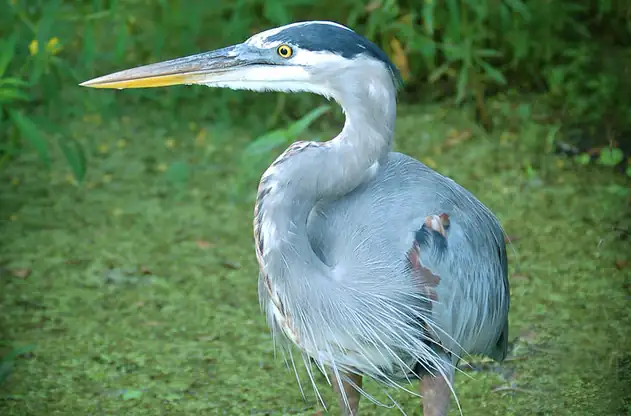
Herons are extremely sensitive to movement and prefer shallow areas. They are patient ambush predators that wait at the pond’s edge rather than hunting in deep water.
Effective deterrents include shiny streamers, motion-activated sprinklers, protective netting, and adequately deep pond design.
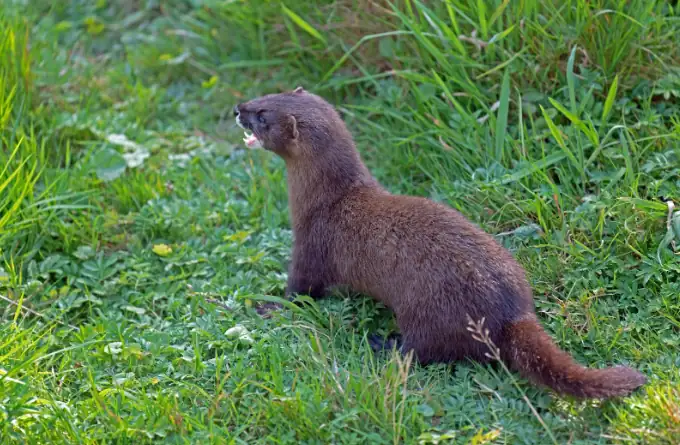
Minks are active hunters. They are strong swimmers and divers and are more brazen than herons.
The best defenses include underwater obstacles, fish caves, and tight swim-through spaces where only fish can access safety.
Because different predators use different hunting strategies, the most effective approach combines thoughtful pond design with multiple protective measures. Proactive planning—rather than reacting after fish go missing—offers the best long-term protection and peace of mind.
Pond Design - Pond Depth and Fish Caves
One of the most effective forms of predator control begins during the pond design phase. A pond depth of at least 24 inches helps prevent wading birds from standing comfortably in the water, making it far less inviting for predators like herons. This added depth also gives fish the space they need to retreat quickly when they sense danger.
Caves, tunnels, and rock overhangs are equally important. When placed strategically, these features provide immediate hiding spots where fish can escape predators—without sacrificing the pond’s natural beauty. Placing a fish cave beneath a waterfall is an ideal choice because the constant movement and surface disturbance of the water create a natural barrier. The churning water helps conceal fish from predators while providing a shaded, protected area where they can safely retreat. Well-designed hiding areas blend seamlessly into the landscape while offering critical protection.
Be sure to talk with your pond builder about:
- The number of fish you plan to keep
- The adult size your fish will grow to
- How the pond is being designed to protect fish at every life stage
There should be enough depth, cover, and swim-through space for all fish to escape potential predators. While larger koi are generally too big for most common predators, younger or smaller fish are still vulnerable.
Finally, ask your pond builder which local predators are common in your area and how the pond design accounts for them. A well-planned pond doesn’t just look beautiful—it actively works to keep your fish safe.
Netting, Decoys, and Motion Devices
Physical deterrents are very effective when used correctly. Pond netting offers safety to your fish by blocking access to your pond but it is not the most natural looking option.
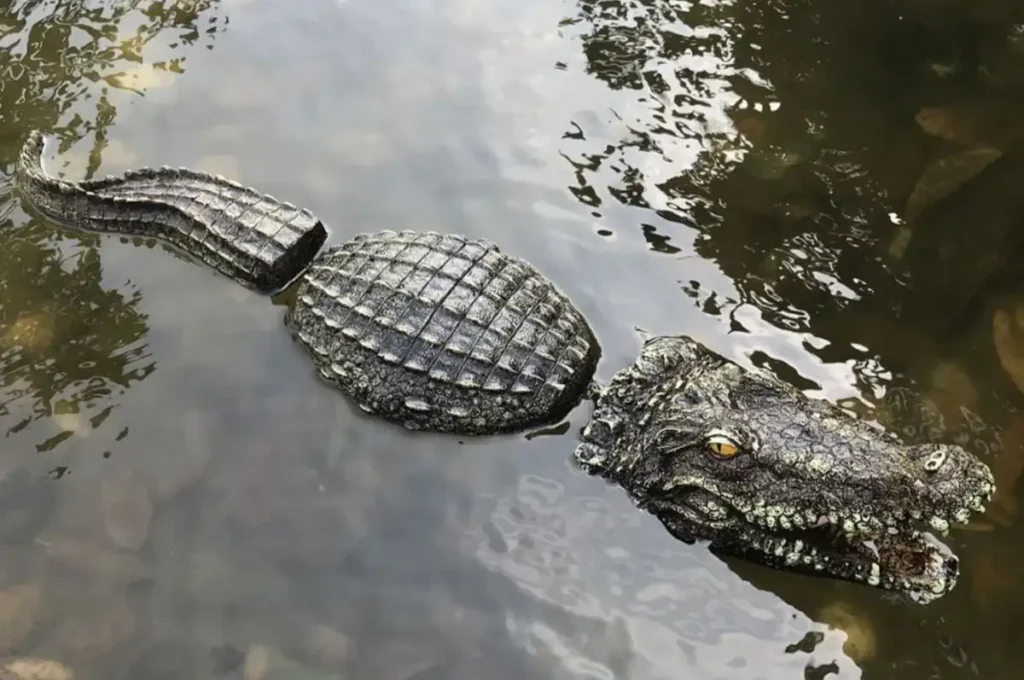
Decoys such as heron statues or floating alligators can be a fun decoration but they will only help deter predators for a short time. Predators are smart and will quickly realize that these decoys are no threat to them. Motion activated decoys and sprinklers are much more effective since the sudden movement startles animals and makes your pond less appealing to them.
Using multiple deterrents and swapping them out occasionally helps prevent pond predators from getting used to them.
What Really Works, and What Doesn't
The most effective pond predator control uses multiple strategies rather than relying on a single solution. Pond depth, fish caves, and thoughtful design always offer the best protection but shiny streamers, motion sensors and pond netting can add an extra layer of security when needed.
What doesn’t work? Stationary decoys used alone, shallow shelves, and frequently feeding fish near the pond’s edge will not make your pond safe for your fish. Remember that predators adapt, so it is important to focus on proven, long term solutions.
Protecting your fish from pond predators doesn’t mean sacrificing the natural look or beauty of your pond. With smart design choices and effective deterrents you can create a pond that is both welcoming and secure. If you are having predator problems or you are planning a new pond, a professional pond builder will design features that prioritize fish safety right from the start.
If you’d like help improving predator protection or upgrading your pond’s design, our team is here to help you enjoy your water feature with peace of mind all season long.
About the author

Jim Andrie is the Operations Manager at Platinum Ponds & Landscaping and has spent the past 10 years designing and building high-quality outdoor spaces across West Michigan. As a Certified Aquascape Contractor and a 2024 Water Artisan of the Year, Jim specializes in ecosystem ponds, natural water features, and custom hardscaping that blends beauty with long-term functionality.
Born and raised in West Michigan, Jim understands the unique challenges of the local climate and designs landscapes built to thrive through every season. An Eagle Scout with a lifelong connection to the outdoors, he is passionate about creating spaces that help families enjoy nature right in their own backyard.