
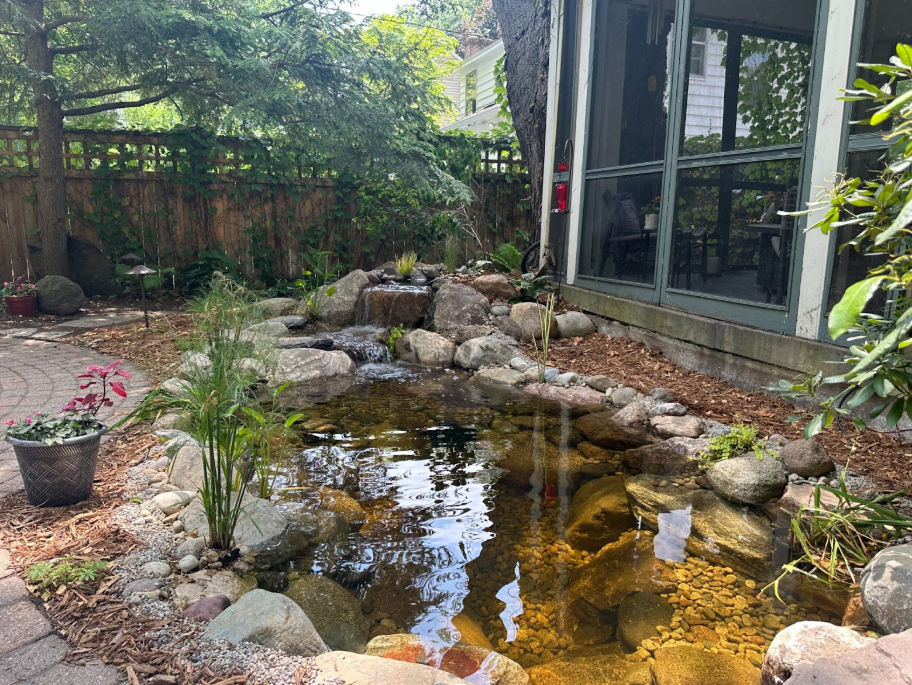
Buying a home with an existing pond can be an unexpected bonus. A water feature adds character, tranquility, and natural beauty to a landscape, but it can also come with many unanswered questions. When you inherit a pond from a previous homeowner, you’re also inheriting every design choice, maintenance habit, and possible shortcut that came before you. That’s why buying a house with a pond requires a careful first look before diving into routine care or upgrades.
Many inherited ponds function and look great. It all depends on the care it has been given through its life. Taking time to inspect key components of the existing pond can lend some insight into the overall condition of the pond, saving you from possible costly surprises.
Hidden Issues of Inherited Ponds
Unlike a pond built specifically for your lifestyle, inherited existing ponds are a mystery. You may not know how old the pond is, what materials were used, or whether it was professionally installed or a DIY project. Maintenance routines may have been inconsistent, and equipment could be outdated or undersized.
Over time, small compromises from the previous homeowner can lead to recurring problems. Things like shallow depth, minimal filtration, or decorative only construction principles are common problems in older ponds. Issues caused by these things don’t always show up immediately, especially if the pond was just cleaned or recently filled up before the sale.
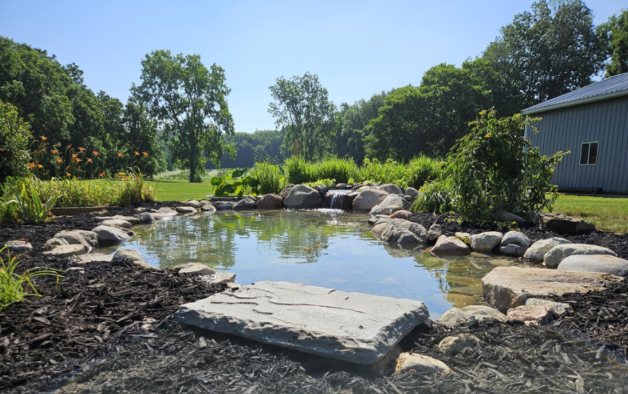
Visual Checks: Water, Fish, and Edges
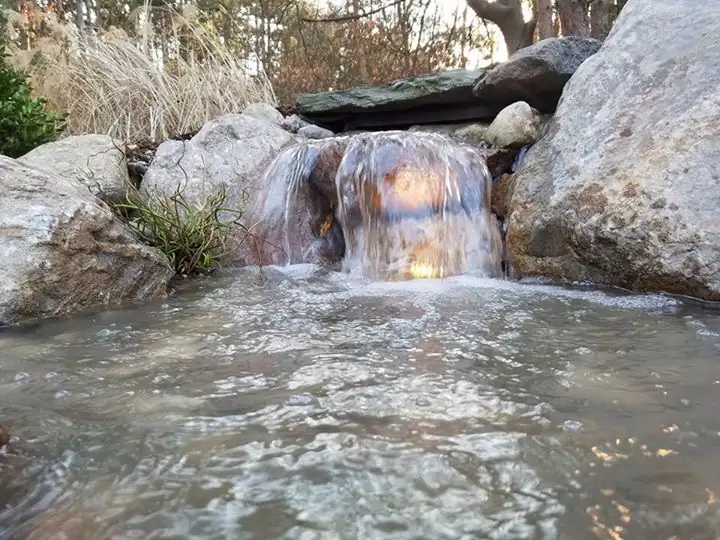
Your initial inspection can reveal a lot without tools or testing. Start by observing the water itself. Clear water is a great sign, but clarity alone doesn’t guarantee a healthy pond. Look for excessive algae, odor, or cloudy water conditions that stand out.
If fish are present in the pond, watch their behavior. Healthy fish move calmly and evenly through the pond. Gasping at the surface, damaged fins, or constant hiding can indicate hidden issues in the water quality.
Next inspect the existing pond and stream edges. Exposed liner, out of place rocks, and wet spots around the feature can point to settling or a lack of proper maintenance that may lead to issues in the future.
Inspect the Pump and Filtration System
One of the most important parts of a pond is the circulation system. Understanding how the water is moved and cleaned in the pond is essential when inheriting an existing pond. Locate the skimmer, pump, biofalls, and any other filter systems. If any of these components are missing or in poor condition they should be replaced or repaired immediately.
Older ponds often rely on undersized or outdated systems that struggle to support a healthy ecosystem. Check filters for excessive debris buildup and ensure that water is flowing consistently through the feature. If components are difficult to access or poorly installed, it may be a sign that maintenance will be a recurring challenge.
Structural Red Flags
Pond depth plays a major role in fish health, temperature stability, and predator protection. Shallow ponds heat up quickly in summer and freeze deeper in winter, causing fish unnecessary stress. A healthy pond is at least 2 feet deep and you should be able to see a spot for fish to hide near the bottom of the pond.
Also inspect the liner, brittle, cracked, or very taught liner may indicate age related deterioration. Shifting stones, rocks sliding into the pond, unstable waterfalls, and sagging edges are all structural red flags that will need to be addressed.
What Can Be Fixed vs. Rebuilt
Not every existing pond needs to be rebuilt, some may even be in perfect shape. Many issues in inherited ponds such as, weak circulation, outdated filtration, or small leaks, can be easily resolved through targeted upgrades. These improvements can often restore performance and beauty without major disruption or investment.
However, if the pond has chronic leaks, severe liner damage, or fundamental design limitations, a rebuild may be the most cost effective and long term solution. Check out our blog titled “Signs Your Pond Needs an Upgrade” to learn more about updating or renovating your pond.
When to Call a Professional
If you’re unsure of where to start or suspect deeper issues in your new pond, professional evaluation can provide clarity. Pond professionals assess filtration, stonework, liner condition, plumbing integrity, and overall ecosystem balance.
An expert evaluation helps pinpoint specific issues and prioritize repairs in order of importance. Identifying areas for improvement and preventing unnecessary spending are also perks of calling a professional. Whether the goal is simple maintenance, modernization, or a complete redesign, professional guidance ensures your inherited existing pond becomes an asset to your landscape rather than a source of stress.
Understanding Your Pond Sets You Up For Success
An inherited pond can be a rewarding feature once you understand how it works and what it needs. Taking the time to inspect water quality, equipment, and structure allows you to make informed decisions and avoid costly surprises.
With the right care, and possible improvements, an existing pond can be transformed into a beautiful, functional part of your new home. A thoughtful evaluation is the first step toward enjoying your pond with confidence for years to come.
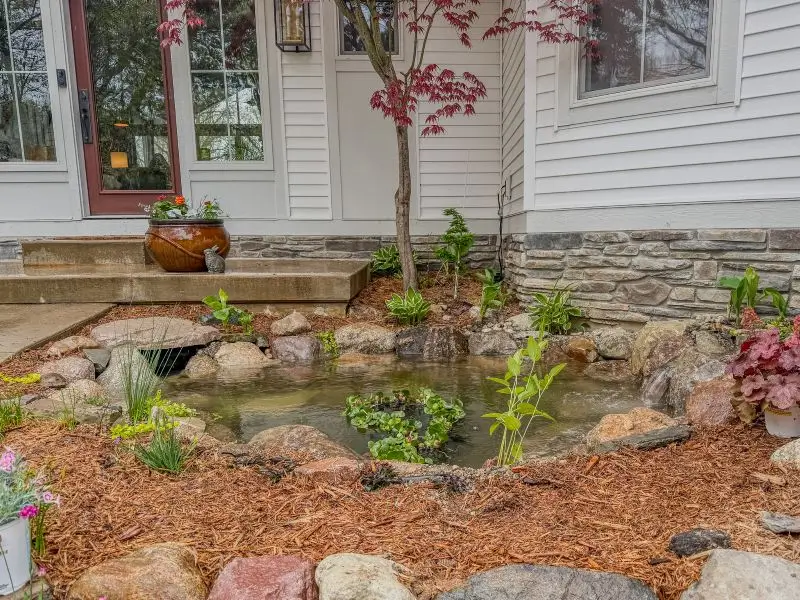

Jim Andrie is the Operations Manager at Platinum Ponds & Landscaping and has spent the past 10 years designing and building high-quality outdoor spaces across West Michigan. As a Certified Aquascape Contractor and a 2024 Water Artisan of the Year, Jim specializes in ecosystem ponds, natural water features, and custom hardscaping that blends beauty with long-term functionality.
Born and raised in West Michigan, Jim understands the unique challenges of the local climate and designs landscapes built to thrive through every season. An Eagle Scout with a lifelong connection to the outdoors, he is passionate about creating spaces that help families enjoy nature right in their own backyard.